

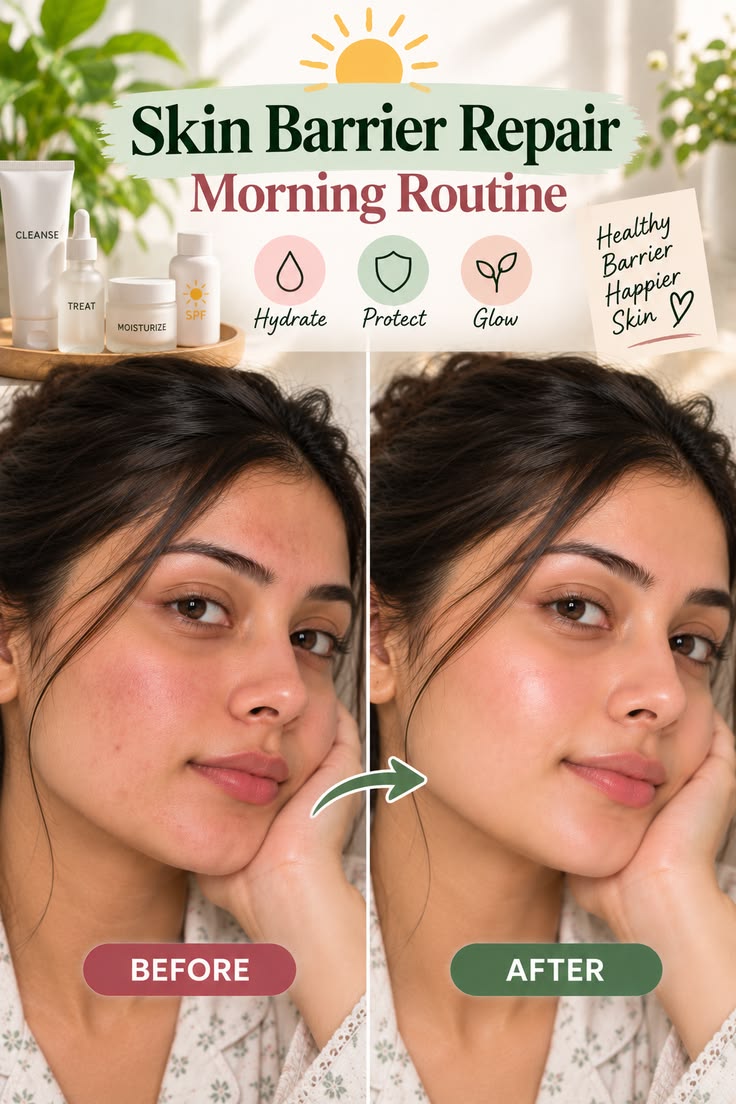
A strong skin barrier is the foundation of comfortable, resilient and glowing skin. When this protective outer layer functions well, it retains moisture, defends against irritants and supports an even, healthy appearance. When compromised, the skin often becomes dry, reactive, tight or prone to redness and breakouts. Understanding how to repair and maintain the barrier is one of the most effective steps toward long-term skin health.
Understanding the Skin Barrier
The skin barrier, primarily the stratum corneum, acts as a protective shield. It consists of skin cells held together by lipids including ceramides, cholesterol and fatty acids. This structure prevents excessive water loss and keeps environmental stressors out. Disruption can result from over-exfoliation, harsh cleansers, frequent use of strong actives, hot water, environmental factors or underlying conditions such as eczema.
Common signs of a compromised barrier include tightness after cleansing, stinging when products are applied, flaking, increased sensitivity, redness and a dull appearance. Addressing these signs promptly with a simplified approach allows the skin to recover.
Core Principles of Barrier Repair
Effective repair begins with subtraction rather than addition. Temporarily pause potentially irritating ingredients such as retinoids, alpha and beta hydroxy acids, strong vitamin C formulas and physical scrubs. Continuing these while the barrier is impaired prolongs recovery.
A minimal routine of three key steps—gentle cleansing, barrier-supporting moisturising and daily sun protection—forms the basis of most recovery plans. Most people notice reduced reactivity within one to two weeks, with fuller recovery typically occurring over two to six weeks depending on the degree of damage.
Best Daily Habits for Repair and Maintenance
Choose a mild, fragrance-free cleanser with a pH close to the skin’s natural range (around 4.5 to 5.5). Avoid foaming formulas that leave skin feeling tight or squeaky, as these often strip essential lipids. Lukewarm water is preferable to hot water, which can further disrupt the barrier. In the morning, rinsing with water alone may be sufficient for many people; a gentle cleanser is usually reserved for evening removal of sunscreen, makeup and daily buildup.
Apply a moisturiser that contains ceramides, cholesterol and fatty acids. These lipids help rebuild the intercellular matrix. Humectants such as glycerin or hyaluronic acid draw moisture into the skin, while ingredients like niacinamide can support the skin’s own production of ceramides. Panthenol and centella asiatica offer additional calming benefits. Apply moisturiser to slightly damp skin to enhance absorption and reduce water loss.
Daily broad-spectrum sunscreen is essential. Ultraviolet exposure can further weaken the barrier and worsen inflammation or pigmentation issues. Mineral formulas are often better tolerated during recovery phases.
Additional supportive habits include avoiding long, hot showers, patting the skin dry instead of rubbing, and introducing only one new product at a time once the barrier stabilises. At night, a thin layer of an occlusive such as petrolatum on particularly dry areas can help seal in moisture during the repair process.
Key Ingredients That Support Recovery
Ceramides are among the most important components for restoring barrier structure. Formulas that combine ceramides with cholesterol and fatty acids more closely mimic the skin’s natural lipid composition. Niacinamide at moderate concentrations helps boost the skin’s lipid production and improve resilience. Hyaluronic acid and glycerin provide hydration without irritation. Soothing agents such as panthenol reduce the sensation of stinging and support healing.
Fragrance-free, non-comedogenic products minimise the risk of further irritation. Consistency with these foundational ingredients typically yields better results than rotating multiple complex formulas.
Reintroducing Actives Carefully
Once the skin no longer stings with basic moisturiser and feels more comfortable, actives can be reintroduced gradually. Begin with the lowest strength and lowest frequency. Niacinamide is often well tolerated early. Retinoids or gentle exfoliants should start at once or twice weekly, buffered if needed with moisturiser applied before and after (sometimes called a sandwich method). Monitor the skin closely and reduce use if irritation returns.
Lifestyle Factors That Influence Barrier Health
Sleep, stress management and overall hydration support the skin’s natural repair processes. Environmental protection, including sunscreen and avoiding excessive heat or cold exposure, helps maintain progress. For those with conditions such as eczema or rosacea, consistent barrier care can reduce flare frequency and severity.
Building a Sustainable Routine
A repaired barrier is easier to maintain than to restore repeatedly. Long-term habits centre on gentle cleansing, daily moisturising with lipid-supporting ingredients, consistent sun protection and measured use of active treatments. Simplifying the routine during periods of stress or environmental challenge prevents setbacks.
Healthy, glowing skin is less about aggressive intervention and more about consistent support of the skin’s natural protective functions. By prioritising barrier integrity through thoughtful product choices and daily habits, most people can achieve greater comfort, resilience and a clearer, more luminous appearance over time.
Read more – wishdua.com