

Artificial intelligence has moved e-learning far beyond static online courses. In 2026, AI-powered platforms analyze learner data in real time to adjust content, pace, difficulty, and support, creating individualized pathways that respond to each student’s strengths, gaps, and progress. This shift from one-size-fits-all delivery to dynamic personalization is reshaping how knowledge is acquired in schools, universities, and workplace training.
Adaptive Learning Paths That Respond to Performance
At the core of personalization is the adaptive learning system. These platforms maintain a model of what each learner knows, track performance on assessments and activities, and select the next most appropriate content or exercise. Algorithms such as knowledge tracing estimate mastery of specific skills and route learners toward material that addresses gaps while avoiding unnecessary repetition of already mastered topics.
Content difficulty and sequence adjust continuously. A student struggling with a concept receives additional explanations, simpler examples, or targeted practice. A learner progressing quickly moves ahead or encounters more challenging applications. This real-time adjustment helps maintain an optimal level of challenge, supporting engagement and reducing frustration or boredom.
Generative AI for Custom Content and Explanations
Generative AI expands personalization beyond selecting from existing libraries. Platforms can create tailored explanations, practice problems, summaries, or even short lesson modules matched to a learner’s current understanding and preferred style. Video-based systems transcribe content, generate summaries, and produce quizzes that align with individual pace and comprehension levels.
These tools enable on-demand support. When a learner asks a question or makes an error, the system can provide contextual feedback or alternative approaches without waiting for a human instructor. In language learning and other subjects, conversational AI tutors simulate dialogue and offer explanations that adapt to the user’s responses.
Intelligent Tutoring and Real-Time Feedback
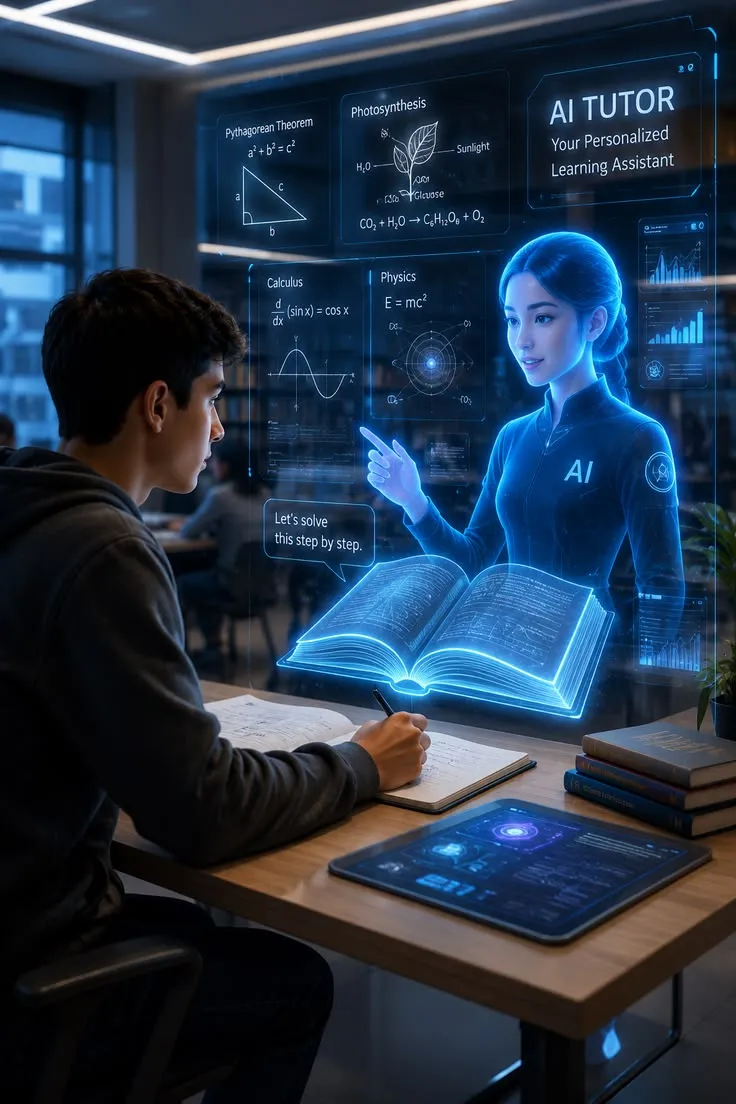
AI tutors and intelligent tutoring systems deliver guided practice and immediate feedback. They monitor responses, detect misconceptions, and intervene with hints, scaffolding, or alternative explanations. Performance analytics identify patterns over time, allowing the system to refine its approach for that individual.
Some platforms combine these capabilities with predictive insights. By analyzing engagement signals and progress data, systems can flag learners who may need additional support early, enabling timely human intervention. Dashboards give educators visibility into class-wide and individual progress so they can focus attention where it is most needed.
Benefits Observed in Practice
Evaluations of AI-adaptive environments have reported measurable gains. One adaptive video-based tutoring platform showed a 37 percent increase in knowledge retention and a 42 percent reduction in the time required to master concepts, along with higher engagement compared with traditional methods. Broader reviews of adaptive systems note improvements in grades, test scores, and engagement, with some estimates around a 25 percent advantage relative to conventional instruction.
Faster course completion and improved retention appear in multiple settings. Learners progress at their own speed rather than being held to a fixed class pace, which particularly benefits those who need more time on foundational material or who are ready to accelerate. In corporate learning and higher education, personalized pathways aligned with role-specific skills or career goals further increase relevance.
Supporting Educators and Scaling Personalization
AI does not replace teachers. Instead, it handles routine adaptation and feedback so educators can devote more time to mentoring, complex instruction, and relationship-building. Many students and institutions emphasize human-AI collaboration: AI provides scalable personalization while teachers supply judgment, motivation, and deeper guidance.
Adoption continues to grow. Institutions increasingly prioritize AI integration to deliver personalized learning at scale. Platforms that combine learner models, content tagged to skills, and decision policies for sequencing represent the more mature implementations. Simpler recommendation engines or chat-based tutors without persistent mastery tracking offer useful support but fall short of full adaptive pathways.
Challenges and Considerations
Effective personalization depends on high-quality data and careful design. Privacy protections, transparent algorithms, and safeguards against bias remain essential. Over-reliance on AI can risk reducing independent problem-solving if systems supply answers too readily. Teacher preparation and institutional readiness influence how well these tools are integrated into existing curricula.
Equity of access also matters. Students with reliable devices and connectivity benefit most, while gaps in infrastructure can widen disparities. Ongoing evaluation of long-term outcomes, rather than short-term engagement metrics alone, helps ensure that personalization supports genuine learning rather than surface-level progress.
The Direction of Personalized E-Learning
In 2026, AI-powered e-learning has progressed from basic adaptive quizzes to systems capable of dynamic content generation, continuous knowledge tracking, and responsive tutoring. Platforms sense learner activity, interpret needs, select or create interventions, measure results, and refine future recommendations. This closed loop makes education more responsive to individual differences in pace, prior knowledge, and learning preferences.
The most effective implementations keep educators at the center while using AI to expand the reach and precision of support. As these technologies mature, the focus remains on measurable improvements in understanding, retention, and the ability to apply knowledge—outcomes that define successful personalization.
Read more- marathimeanings.com