

Event planning in 2026 centers on creating meaningful, personalized experiences rather than following rigid traditions or maximizing guest counts. Whether for weddings, milestone birthdays, corporate gatherings, or private parties, hosts and planners are prioritizing authenticity, immersion, and guest connection. Celebrations feel more intentional, with smaller groups often receiving richer attention and thoughtful details that leave lasting impressions. The focus has shifted toward designing moments that reflect personal stories, values, and shared joy.
The Rise of Intimate Gatherings with Elevated Experiences
One of the strongest trends involves smaller guest lists paired with higher-quality experiences. Trimming the number of attendees frees resources for upgraded elements that make every person feel considered. Pre-event amenities, thoughtful transportation, welcome gifts, and personalized touches become feasible when the scale is more manageable. Guests enjoy more interaction with hosts and one another in settings that encourage genuine conversation rather than large-scale formality.
This approach also suits multi-day celebrations. Extended weekends or “slow” events spread activities across several days, incorporating shared meals, local explorations, and relaxed pacing. The result is deeper connection and reduced pressure on a single high-stakes day. Hosts gain the flexibility to craft richer itineraries that feel like curated journeys rather than rushed agendas.
Immersive Venues and Architectural Design as the Foundation
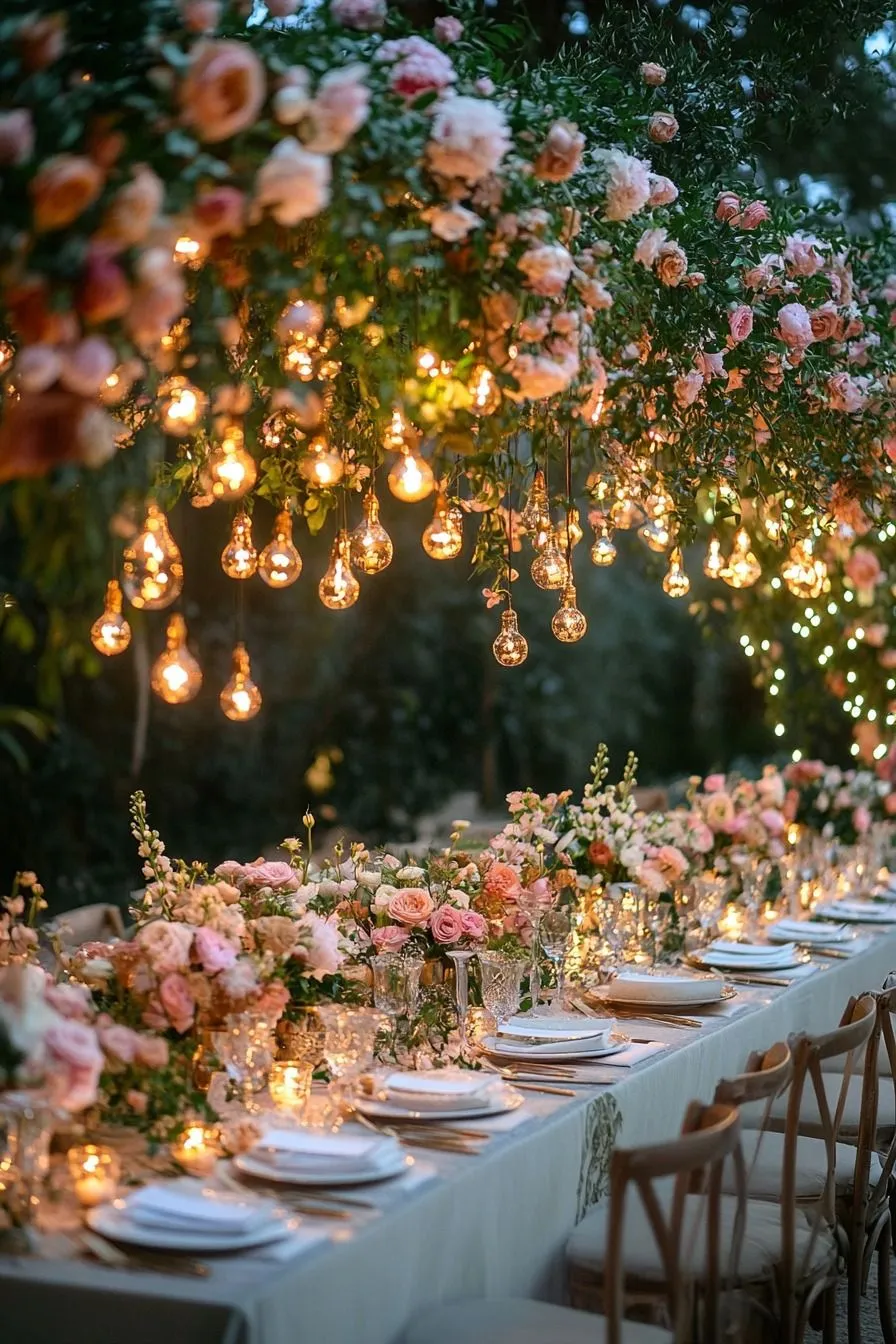
The venue itself increasingly serves as the primary design element. Planners favor spaces with inherent character—restaurants, historic homes, galleries, gardens, unique outdoor landscapes, or architectural landmarks—over blank-canvas banquet halls. These locations require less decoration while delivering strong atmosphere and personal meaning.
Design leans toward architectural impact. Sculptural arches, dramatic staircases, custom stages, and intentional structural moments frame the celebration. Clean lines, symmetry, and bold forms create modern, art-forward environments. Fluid layouts replace rigid seating charts, featuring curved arrangements, layered zones for lounging and dancing, and spaces that invite natural movement and interaction. The goal is an environment that feels lived-in and immersive from the moment guests arrive.
Storytelling Through Spatial Design
Architecture is no longer just a backdrop. It becomes part of the narrative. Custom-built elements and thoughtful spatial planning help transform ordinary rooms into distinctive worlds that reflect the hosts’ personalities and the occasion’s significance.
Storytelling and Hyper-Personalization at the Core
Celebrations in 2026 emphasize narrative. Every detail—from invitations and seating to menus and entertainment—can weave in personal history, shared values, or cultural elements. Custom fragrances, signature scents along pathways, handmade décor, and curated playlists help transform spaces into immersive stories.
Personalization extends to guest experiences. AI tools assist with tailored agendas, networking suggestions, and recommendations based on interests, while human creativity ensures emotional resonance. Welcome installations, interactive elements, and content-friendly moments allow guests to participate and create memories together. The most memorable events feel uniquely tailored rather than templated.
Blending Technology with Human Touch
Technology supports rather than overshadows the human element. AI streamlines planning through content drafting, logistics optimization, and predictive insights, freeing planners for creative work. Mixed reality, augmented reality previews, digital invitations, and high-quality live streaming extend participation for remote guests while keeping the core experience grounded in the physical space. Hybrid elements remain useful for broader inclusion, but the emphasis stays on making in-person moments more engaging.
Interactive and Participatory Guest Experiences
Guests want to do more than observe. Interactive stations, live artists, hands-on food experiences, collaborative art projects, and surprise performances turn attendees into participants. Analog touches such as disposable cameras, handwritten notes, vinyl playlists, and tactile guest books add nostalgic warmth alongside modern technology.
Food has evolved into a central experiential feature. Sculptural presentations, tasting stations, elevated small plates, and menus designed for visual impact and movement encourage mingling. Culinary focus often highlights local ingredients and cultural flavors, especially for destination events that become gastronomic journeys. When food becomes part of the décor and social flow, it strengthens connection among guests.
Sustainability and Conscious Celebration Choices
Environmental responsibility has become a standard expectation. Planners prioritize local sourcing, reduced waste, reusable or modular elements, digital communications, and venues with strong green practices. Conscious luxury favors quality and intention over excess, aligning celebrations with values around sustainability and community impact.
Wellness considerations appear more frequently, especially in multi-day events. Hydration stations, nature elements, flexible timing, quiet zones, and thoughtful mocktail or herbal options support guest comfort and energy throughout the celebration. These thoughtful inclusions help guests feel cared for beyond the main program.
Practical Approaches for Creating Memorable Moments
Successful events in 2026 often begin by choosing a venue that already tells a story and building lightly around its strengths. Fluid, multi-zone layouts allow energy to shift naturally from conversation to movement. Elevating food and beverage as interactive décor and social catalysts adds another layer of engagement. Incorporating custom sensory details such as signature scents or personalized keepsakes creates lasting impressions. Blending analog keepsakes with selective technology maintains balance between nostalgia and modernity. Structuring the day or weekend around meaningful rituals and surprises rather than a strict traditional timeline keeps the experience fresh. Focusing the budget on guest comfort and unique experiences rather than sheer scale delivers greater impact.
These approaches apply across event types. Corporate gatherings benefit from experiential design and personalization that foster real connection. Private parties gain from interactive elements and intimate scale. Weddings especially thrive when they prioritize the couple’s story and guest enjoyment over convention.
Looking Ahead to More Meaningful Celebrations
The most successful celebrations of 2026 will feel less like productions and more like carefully crafted shared experiences. By combining thoughtful scale, immersive design, personal storytelling, interactive opportunities, responsible practices, and supportive technology, planners and hosts can create events that guests remember for their warmth, originality, and genuine connection. The goal remains simple yet powerful: design gatherings where people feel seen, engaged, and truly celebrated.
Read more – gloryhouseworld.com