

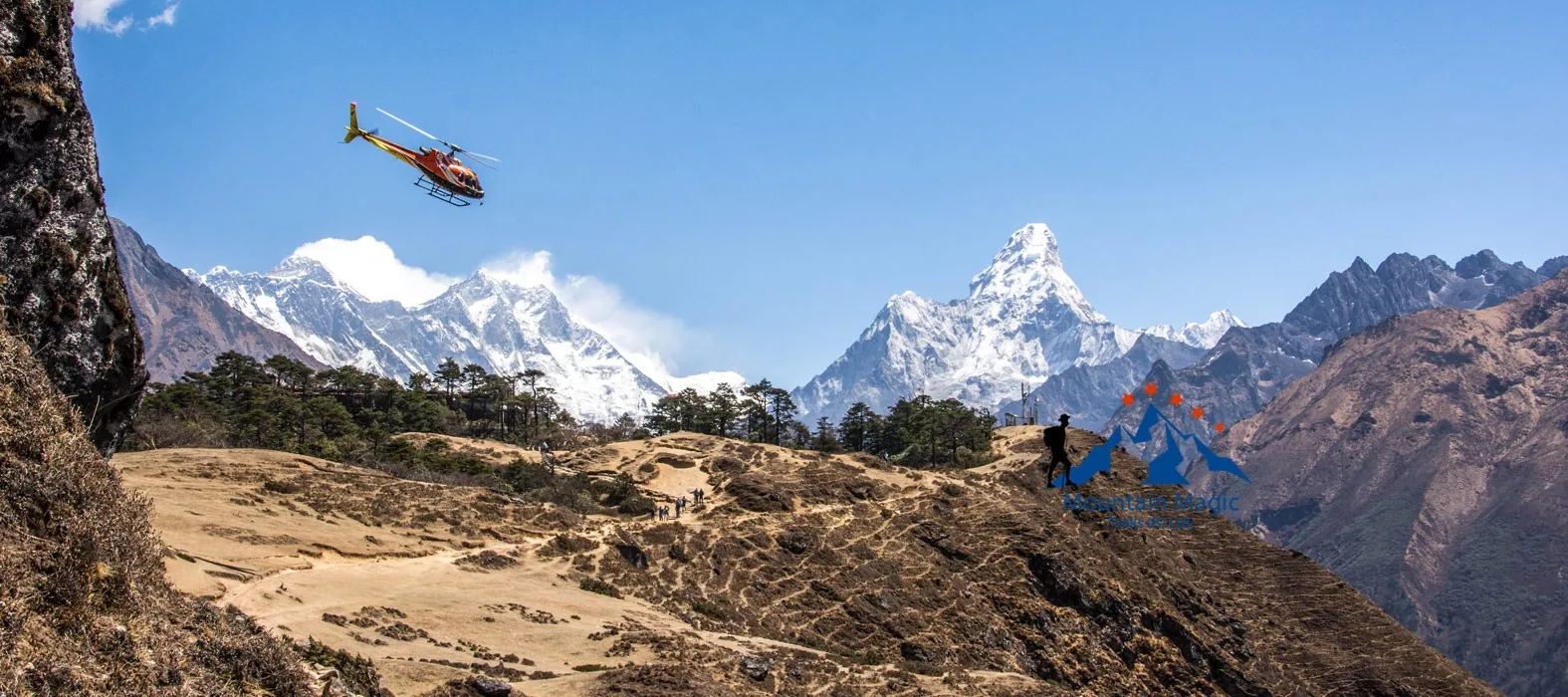
A mountain trekking route does not have the same waste collection system as a modern city. Shops, lodges, and villages have limited space to store rubbish, while transporting supplies and unwanted materials through remote areas can be difficult. Every traveler has a role in keeping personal waste under control.
During a multi-day mountain journey, small items such as snack wrappers, tissues, plastic packaging, and empty containers can quickly add up. The Everest Base Camp Trek with Helicopter Return passes through several remote settlements, making responsible waste handling an important part of daily travel.
A simple personal waste system can help trekkers keep their bags clean, protect the trail, and avoid leaving unwanted materials behind.
Understand the Types of Waste You May Carry
Most trekkers think about large rubbish items, but everyday packaging creates much of the waste produced during a journey.
A single walking day may involve food wrappers, tissue paper, empty packets, and used personal care products. These items need proper handling even when they seem too small to matter.
Common Items That Create Personal Waste
-
Snack and chocolate wrappers.
-
Plastic packaging from personal supplies.
-
Empty water bottles.
-
Used tissues and wipes.
-
Disposable toiletries.
-
Broken or unwanted accessories.
-
Food packaging from personal snacks.
Knowing what you carry makes it easier to decide how to store and dispose of it responsibly.
Create a Separate Waste Pouch
One of the simplest ways to manage rubbish is to carry a small reusable pouch specifically for personal waste.
Choose a lightweight pouch that closes securely and can be cleaned easily. A waterproof or washable design can help prevent leaks and keep waste separate from clothing and food.
Keep Clean and Used Items Apart
Your waste pouch should not share space with clean snacks, spare clothes, or personal documents.
A useful arrangement is to keep:
-
Clean food in a separate sealed bag.
-
Used packaging in the waste pouch.
-
Personal hygiene supplies in another small compartment.
-
Wet or dirty items inside a suitable sealed bag.
This organization reduces mess inside your daypack and makes it easier to empty the pouch when an appropriate disposal facility is available.
Reduce Packaging Before Starting the Trek
A good waste plan begins before reaching the mountains.
Many products come with unnecessary outer packaging. Removing suitable packaging in Kathmandu can reduce the amount of rubbish carried during the trek.
For example, you can place personal snacks in reusable containers instead of carrying several individual outer boxes.
However, keep important product labels when they contain useful information such as ingredients, instructions, or expiration dates.
Choose Reusable Items
Consider carrying:
-
A reusable water bottle.
-
A washable snack container.
-
A reusable shopping bag.
-
A small cloth towel.
-
Refillable personal care containers where suitable.
These items can reduce disposable packaging without adding unnecessary weight.
Handle Snack Wrappers During Walking Days
Small food wrappers are easy to lose when walking over rocky trails or during windy conditions.
Never leave packaging on the ground, even if you are close to a village or lodge. Put it directly into your waste pouch after using the product.
The route toward Namche Bazaar, Dingboche, Lobuche, and Gorakshep includes different trail surfaces and exposed sections. A loose wrapper can easily blow away before you notice it.
Make Waste Collection Part of Your Routine
After eating a snack:
-
Fold or flatten the empty wrapper.
-
Place it inside your waste pouch.
-
Check the area where you stopped.
-
Continue only after collecting your belongings.
This takes very little time and prevents rubbish from being left along the route.
Manage Waste Inside Mountain Accommodation
Mountain teahouses provide basic accommodation and dining facilities, but waste arrangements can differ between properties.
Do not assume that every lodge has the same collection system. Ask staff where different types of rubbish should be placed.
Follow the Lodge’s Disposal Instructions
Some properties may provide separate bins, while others may have designated collection areas.
Keep your room tidy and avoid leaving packaging under beds, beside windows, or in shared spaces.
If you cannot identify the correct disposal location, ask the lodge staff rather than placing rubbish in an unsuitable area.
The standard Mountain Magic Treks package includes eight nights of mountain teahouse accommodation. During these overnight stays, following each property’s instructions helps maintain clean shared facilities.
Avoid Burning or Burying Personal Rubbish
Burning and burying waste may seem like quick solutions, but they are not responsible ways to manage personal rubbish.
Some materials release harmful smoke when burned. Other items can remain in the ground for a long time or be exposed again by wind, rain, and erosion.
Plastic packaging, batteries, wet wipes, and other manufactured materials should never be treated as natural waste.
If there is no suitable disposal point nearby, keep the rubbish securely packed until you reach an appropriate collection facility.
Be Careful With Batteries and Electronic Waste
Small electronic items require special attention because they can contain materials that should not enter ordinary rubbish.
During a trek, travelers may carry batteries for cameras, headlamps, or other devices.
Do Not Leave Batteries Behind
Follow these basic precautions:
-
Store used batteries safely.
-
Protect battery terminals where appropriate.
-
Keep damaged batteries separate from other belongings.
-
Do not throw batteries into open areas.
-
Ask the guide or lodge staff about suitable disposal arrangements.
Never assume that an ordinary rubbish bin is the correct destination for electronic waste.
Plan for Waste During the Helicopter Return
The return helicopter journey is a transportation stage, not a waste disposal service.
Before leaving the mountain region, check your luggage and remove personal rubbish from pockets, pouches, and bags.
Keep any waste securely contained until it can be handed over through an appropriate disposal arrangement.
Helicopter baggage limits and loading procedures may vary according to the aircraft and operational conditions. Avoid carrying unnecessary rubbish or loose items that could create problems during luggage handling.
The Everest Base Camp Trek with Helicopter Return includes a planned flight from the Gorakshep area to Kathmandu, subject to weather and operational conditions. Travelers should follow the guide’s instructions for preparing their belongings before departure.
Make Waste Reduction a Shared Group Habit
A trekking group can reduce its overall waste by following the same basic practices.
For example, travelers can avoid unnecessary disposable packaging, use refillable containers where practical, and collect their personal rubbish after meal breaks.
Guides can also help explain local disposal arrangements and identify suitable collection points.
However, every traveler remains responsible for personal items. Do not leave waste for another group member, porter, or lodge worker to collect.
Final Thoughts
Managing personal waste is a simple responsibility that makes a real difference on remote mountain routes. Reusable containers, a separate waste pouch, careful packaging choices, and proper disposal habits can prevent small pieces of rubbish from becoming a larger problem.
Throughout the Everest Base Camp Trek with Helicopter Return, travelers should keep personal rubbish contained, follow lodge instructions, and avoid burning or burying unwanted materials. Respecting the trail also means taking responsibility for the things brought onto it.
Frequently Asked Questions
1. Should I carry a separate bag for personal rubbish?
Yes. A small washable or waterproof pouch helps keep used packaging separate from food, clothing, and other belongings.
2. Can I leave biodegradable food waste on the trail?
No. Do not assume that food waste belongs on the ground. Follow local disposal instructions and use designated facilities.
3. What should I do with used batteries?
Keep them safely stored and ask the guide or accommodation staff about suitable disposal options.
4. Are rubbish bins available at every mountain lodge?
No. Waste facilities vary between properties. Ask staff where different types of rubbish should be placed.
5. Does the helicopter return include waste disposal?
No. The helicopter is a transportation service. Travelers must keep personal rubbish contained and follow appropriate disposal arrangements.